



What Does 'Sub 12 Air Rifle' Mean? (UK Air Rifle Power Explained)
If you’re new to air rifle shooting in the UK, you’ll encounter the term ‘sub‑12’ almost immediately. It appears on product listings, in legislation, on forum threads, and in conversation with experienced shooters. Yet for those just starting out, it’s rarely explained clearly. What does sub‑12 actually mean? Where does the limit come from? And how does it affect the rifle you choose and the way you shoot? This guide covers everything you need to know. If you want to dive into different types of air rifles you can read our guide: Air Rifle Guide for Beginners: Types, Power Limits and Buying Advice (UK)
Introduction to Air Rifles
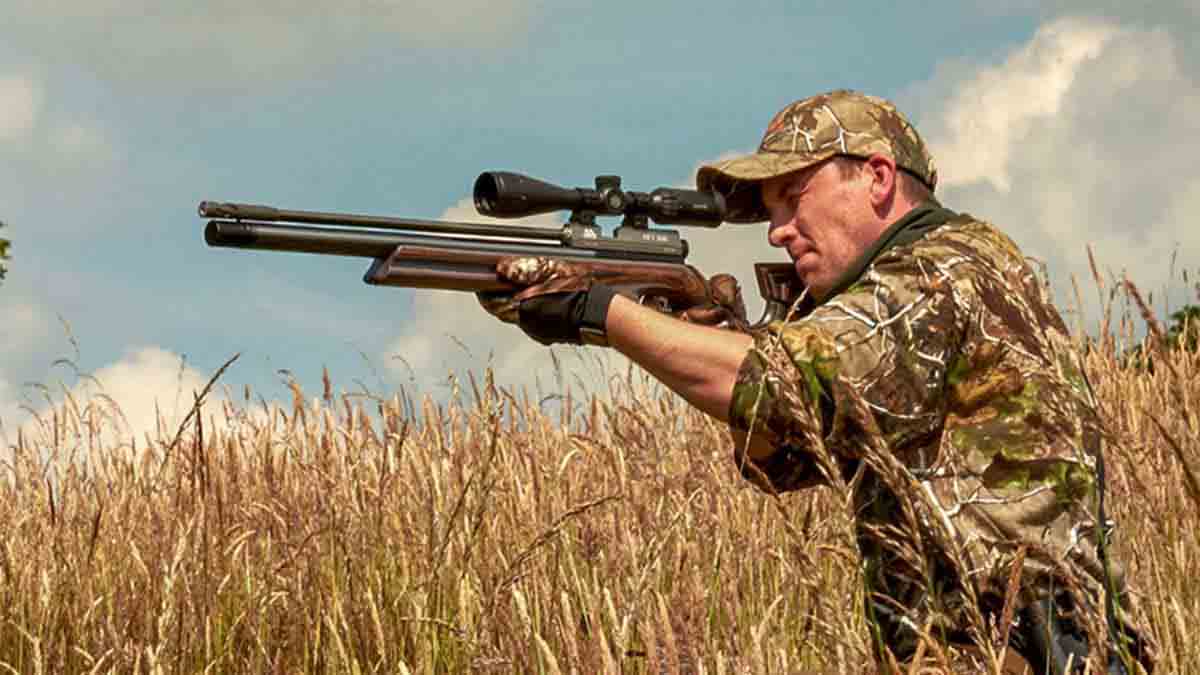
Air rifles have long been a favourite among UK shooters for their versatility, affordability, and sheer enjoyment. Whether your interest lies in target shooting, hunting small game, or effective pest control, there’s an air rifle designed to meet your needs. These guns are renowned for being deadly accurate at typical shooting distances, making them ideal for both beginners and experienced marksmen alike. From classic spring-powered airguns to advanced PCP (pre-charged pneumatic) models, the range of options ensures there’s a rifle for every intended use and budget. When choosing an air rifle, it’s important to consider factors such as power, accuracy, and calibre to ensure you select the right gun for your style of shooting—whether that’s plinking for fun, honing your skills on the range, or taking on real-world pest control challenges. In the UK, airguns offer a legal and accessible way to enjoy shooting sports, combining fun with practical effectiveness.
Types of Air Rifles
Read our guide on Types of Air Rifles
When exploring the world of air rifles, you’ll encounter several main types, each with its own advantages. Spring piston air guns are a popular choice for both hunting and target shooting, thanks to their reliability and straightforward operation. These spring-powered airguns use a coiled spring and piston to compress air, delivering consistent power with every shot. PCP (pre-charged pneumatic) air rifles, on the other hand, are favoured by shooters who value a higher shot count and minimal recoil. These rifles store compressed air in a reservoir, allowing for multiple shots before needing a refill, which is especially useful for extended shooting sessions. CO2-powered airguns are another option, offering convenience and ease of use, though they may be more sensitive to temperature changes and generally provide less power than PCP or spring models. When selecting an air rifle, consider your priorities—whether it’s price, power, ease of maintenance, or shooting style—to find the best fit for your needs.
The Basics: What ‘Sub‑12’ Means
Sub‑12 refers to the muzzle energy of an air rifle, expressed in foot-pounds (ft/lb). Specifically, it describes any air rifle producing less than 12 ft/lb of kinetic energy at the muzzle — the point at which the pellet leaves the barrel. An air rifle operating within this threshold can be legally owned and used in England and Wales without a firearms licence. Exceed that limit by even a fraction, and the legal classification of the rifle changes entirely.
It is worth noting that foot-pounds measure energy, not speed. Two rifles firing pellets at different velocities can produce the same muzzle energy depending on pellet weight. This distinction matters because UK law is based on energy output, not feet per second.
Where the 12 ft/lb Limit Comes From
The 12 ft/lb limit has a specific legal origin. It was established by the Firearms (Dangerous Air Weapons) Rules 1969, made under the authority of the Firearms Act 1968. The rules set the upper threshold at 12 ft/lb for air rifles and 6 ft/lb for air pistols. Any air weapon capable of exceeding those figures was reclassified as a firearm, requiring a Firearms Certificate (FAC) to own and use.
The figure was settled on after considerable debate. The Bodkin Committee, tasked with advising the government on the issue, initially explored power-of-penetration tests using deal boards as a measure, but found this impractical given how much the density of timber varies. Expressing the limit in terms of kinetic energy provided a consistent, measurable standard that could be applied objectively. The 12 ft/lb figure was broadly aligned with the output of British-manufactured air rifles at the time, meaning domestic products remained unaffected while higher-powered imported weapons came under regulatory control.
The limit has remained unchanged for over fifty years and continues to define the legal boundary between a freely owned air rifle and a firearm requiring certification.
Sub-12 vs FAC: What Changes?
Understanding the distinction between sub-12 and FAC (Firearms Certificate) air rifles is central to navigating UK airgun law.
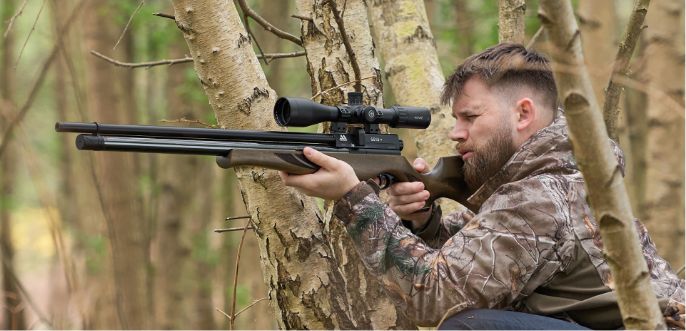
A sub-12 ft/lb air rifle can be purchased and owned by anyone aged 18 or over in England and Wales without any licence, registration, or police involvement. There is no requirement to notify authorities of ownership, no periodic renewal, and no mandated storage standard beyond what is reasonably necessary to prevent access by minors.
An FAC air rifle is one that exceeds the 12 ft/lb limit. Owning such a rifle requires applying for and holding a valid Firearms Certificate from your local police force. The application process involves background checks, an assessment of the applicant’s suitability, proof of secure storage, and the provision of two referees. Waiting times for applications have become significantly longer in recent years, with some forces taking upwards of twelve months to process straightforward applications. FAC air rifles must also be stored in a police-approved gun safe, fixed to the solid structure of the property — a standard considerably more demanding than that applied to sub-12 rifles.
In Scotland, the position differs. Under the Air Weapons and Licensing (Scotland) Act 2015, all air weapons producing more than one joule of energy (approximately 0.74 ft/lb) require an Air Weapon Certificate. This applies to the vast majority of sub-12 air rifles. Scottish shooters must therefore hold a certificate for rifles that their counterparts in England and Wales can own without any documentation.
In Northern Ireland, the law is stricter still. Most air rifles require a firearms certificate regardless of power level, making the regulatory landscape considerably more complex than in England and Wales.
Read our guide on getting your FAC Licence
How Muzzle Energy Is Calculated
Muzzle energy is calculated using the following formula:
Muzzle Energy (ft/lb) = (Pellet weight in grains × Velocity in fps²) ÷ 450,240
To put this into practical terms: a .177 pellet weighing 7.9 grains travelling at 826 feet per second produces approximately 12 ft/lb of energy. A .22 pellet weighing 14.4 grains at 612 fps produces the same. These are the approximate maximum velocities at which each calibre reaches the legal limit, and they illustrate an important point — pellet weight and velocity are always in tension when you are working within a fixed energy ceiling.
Most reputable manufacturers set their rifles to produce slightly below the legal maximum — typically around 11.5 ft/lb — to build in a safety margin. Small variables such as pellet choice, ambient temperature, and barrel condition can all affect energy output. A rifle regulated at 11.5 ft/lb has sufficient headroom to account for these variations without risking legal non-compliance. Rifles set too close to 12 ft/lb carry a genuine risk of exceeding the limit under certain conditions, even unintentionally.
Additionally, a two-stage adjustable trigger is important for precise shooting, as it enhances shooting performance and helps shooters maintain consistency within the legal energy limit.
Calibre Choice Within the Sub-12 Limit
The two dominant calibres for sub-12 air rifles in the UK are .177 and .22, and each interacts with the energy limit differently.
In .177, the energy ceiling tends to be reached at higher velocities. This produces a flatter trajectory, which makes .177 particularly well suited to target shooting and longer-range pest control where precision matters more than impact energy. The lighter pellets travel faster and are more forgiving of ranging errors at distance.
In .22, achieving 12 ft/lb requires heavier pellets travelling at lower velocities. The result is a subsonic pellet with more frontal area and greater energy transfer on impact — qualities that make .22 a popular choice for pest control at shorter ranges. Rats, grey squirrels, rabbits, and a range of pest bird species are all considered appropriate quarry for a sub-12 air rifle used within its effective range.
.25 calibre is available in sub-12 configurations but represents a niche choice. The pellets are heavy enough that even at 12 ft/lb they travel relatively slowly, producing an arched trajectory that limits effective range to around 25–30 yards. For most applications, .177 or .22 will serve a shooter better within the sub-12 limit.
Sub-12 and the Question of Range
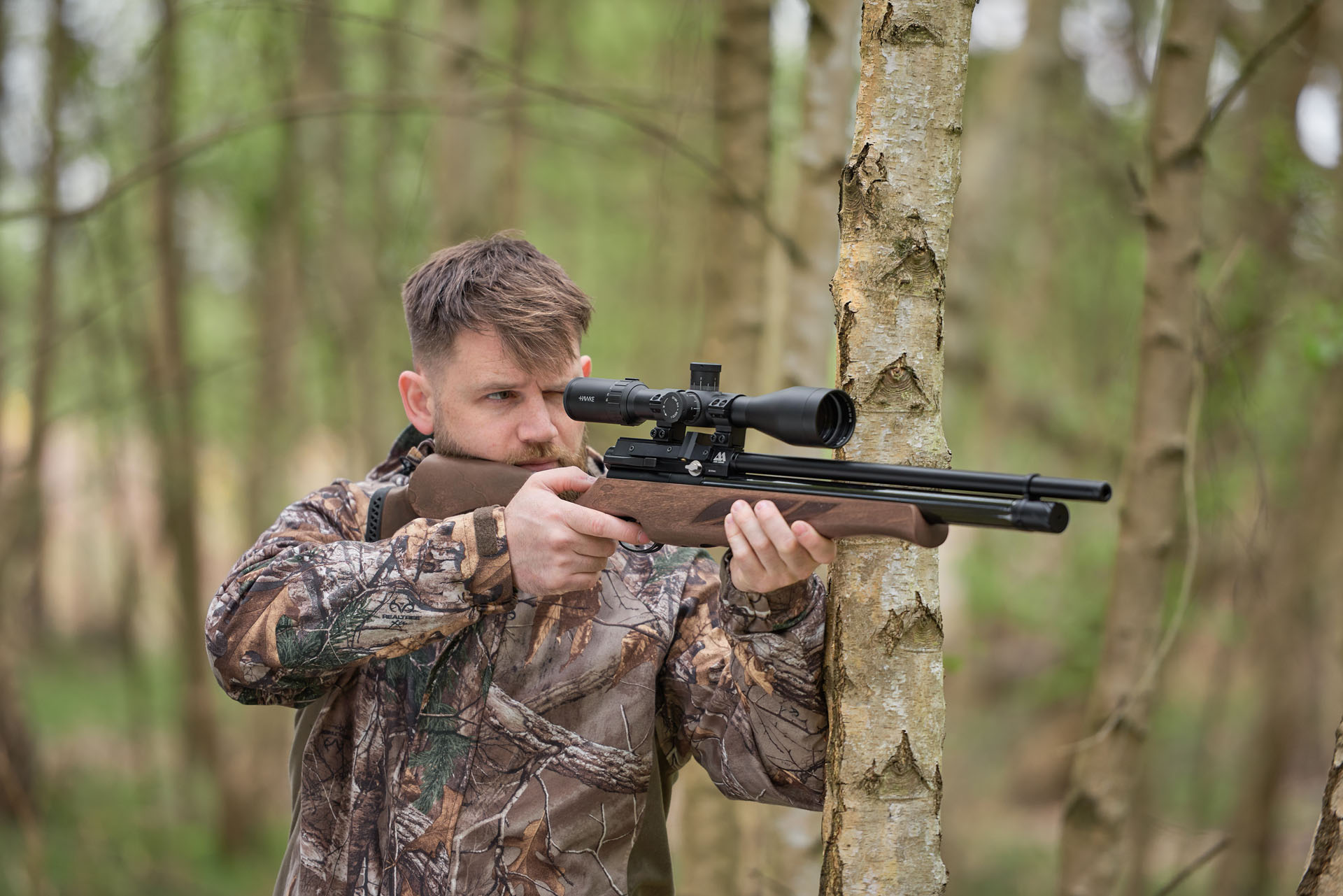
One of the most commonly asked questions about sub-12 air rifles is how far they can accurately and effectively shoot. The honest answer is that effective range depends on calibre, pellet choice, atmospheric conditions, and the skill of the shooter — but as a general guide, most experienced sub-12 users set a self-imposed ceiling of around 40 yards for live quarry. The effective range for sub-12 air rifles is typically up to 30-40 yards for small game and vermin control.
Within that distance, a well-regulated sub-12 air rifle is capable of consistent, accurate shot placement. Sub-12 air rifles are significantly quieter than firearms, making them suitable for discreet pest control. The trajectory remains manageable, the energy on target is sufficient for clean kills on appropriate quarry, and the shooter can reliably judge holdover and windage. Beyond 40 yards, the combination of reduced velocity, increased pellet drop, and greater susceptibility to crosswind makes ethical shooting considerably more demanding.
When considering accuracy at longer ranges, in open environments with less wind, a sub-12 ft.lbs air rifle can achieve a group size of under 30mm at 100 yards, but accuracy is significantly affected by environmental factors such as wind and shooter stability. Shooting a sub-12 ft.lbs air rifle at long distances, such as 100 yards, requires careful consideration of wind conditions, as even slight breezes can cause significant deviations in pellet trajectory.
This is one area where sub-12 shooters occasionally perceive a disadvantage relative to FAC rifles. FAC-rated air rifles, typically running at 28–50 ft/lb in .22 or .25 calibre, produce a flatter trajectory and retain more energy at distance. However, experienced sub-12 shooters often note that within practical field ranges, the accuracy advantage of the legal-limit rifle — which experiences less recoil and typically exhibits superior consistency — more than compensates. A well-tuned spring air rifle can shoot a 1cm group at 55 yards, but accuracy tends to decrease significantly beyond that distance due to factors like wind and shooter error. There is also a safety dimension: pellets from sub-12 rifles shed energy relatively quickly, reducing the risk of dangerous ricochet or overshoot in confined environments such as farm buildings.
When testing accuracy and technique, shooters often test their rifles by measuring group size along a specific line on the target and evaluating how consistently they can hit the intended point. Achieving tight groups at long range requires regular practice, a willingness to spend time and ammunition, and an understanding that even small mistakes or the wrong technique can lead to missed shots. Shooting in conditions with less wind, such as early mornings or indoor ranges, can help shooters achieve better accuracy at long distances.
Age, Ownership, and Legal Responsibilities
In England and Wales, the minimum age to purchase or own a sub-12 air rifle is 18. Those aged 14 to 17 may use an air rifle on private premises with the permission of the occupier, without an adult present. Those under 14 may also use an air rifle on private premises, but must be supervised by an adult aged 21 or over, who must maintain close control at all times.
No licence or registration is required for sub-12 ownership, but the law does place other obligations on shooters. Discharging an air rifle within 50 feet of the centre of a public highway in a way that causes nuisance or endangerment is an offence. It is also an offence to allow pellets to travel beyond the edge of your property—the boundary of the land on which you are shooting—unless you have explicit permission from the adjoining landowner. Always ensure pellets do not cross the edge of your property to stay within legal limits and avoid issues with neighbours. Having an air rifle in a public place without good reason is also an offence, and the burden of demonstrating good reason rests with the shooter.
Shooting quarry with a sub-12 air rifle is governed by the general licences issued by Natural England and Natural Resources Wales, which permit the control of specified pest species for specific purposes. Shooters should always ensure they understand the conditions attached to these licences before carrying out any pest control work.
Air Rifle Maintenance and Upkeep
Keeping your air rifle in top condition is essential for maintaining accuracy and reliability over time. Regular maintenance should include cleaning the barrel to remove lead and debris, checking the stock for any signs of damage, and lubricating moving parts to ensure smooth operation. For PCP air rifles, it’s important to monitor air pressure and refill the tank as needed to maintain consistent power. Taking the time to care for your rifle not only extends its lifespan but also ensures that your shooting experience remains safe and enjoyable. Many shooters also invest in a quality scope to enhance accuracy, as well as other accessories that can improve comfort and performance. By following a simple maintenance routine, you’ll keep your air rifle ready for action, whether you’re practicing on the range or heading out for a day of shooting.
Air Rifle Storage and Transportation
Proper storage and transportation of your air rifle are crucial for safety and security. Always store your rifle in a secure location, out of reach of children and unauthorized users, to prevent accidents and misuse. A dry, locked cabinet or gun safe is ideal for protecting your air rifle from damage and theft. When transporting your gun, use a dedicated case or bag to shield it from knocks and to comply with legal requirements. It’s important to follow all local laws regarding air rifle storage and transportation, as these are designed to protect both the owner and the wider community. Taking these precautions not only safeguards your equipment but also helps maintain the reputation of responsible airgun ownership in the UK.
Air Rifle Community and Resources
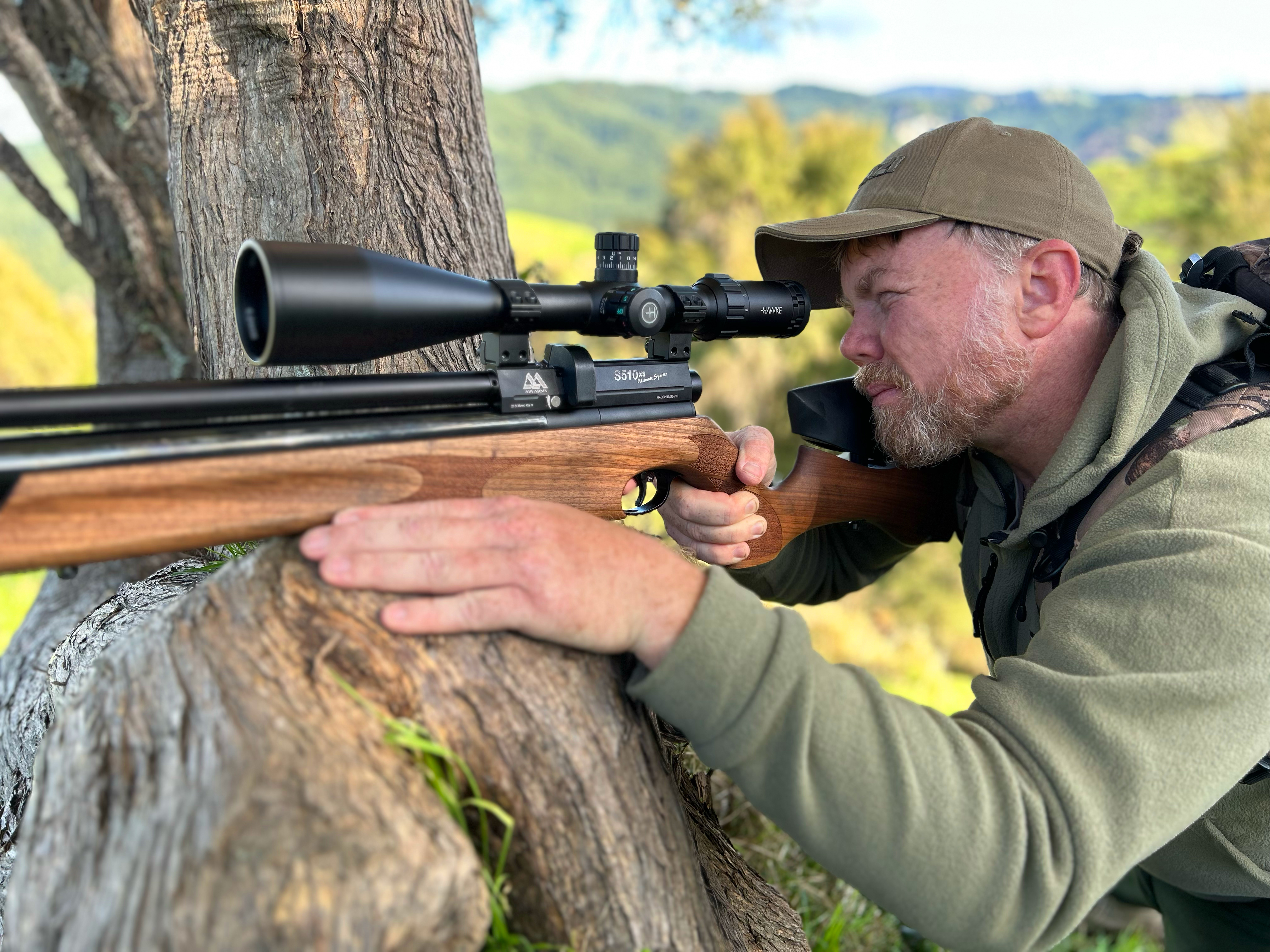
The UK air rifle community is vibrant and welcoming, offering a wealth of resources for shooters of all experience levels. From local clubs and organised target shooting competitions to online forums and social media groups, there are countless opportunities to connect with fellow enthusiasts. Whether your passion is hunting, plinking, or precision shooting, joining the air rifle community can be both fun and rewarding. You’ll find advice on everything from choosing the right rifle to improving your technique, as well as reviews of the latest equipment and updates on developments in the world of airguns. Engaging with the community is a great way to stay informed, share experiences, and make the most of your time in this exciting and ever-evolving sport.
Why Sub-12 Remains the Standard for UK Shooters
Despite the existence of FAC air rifles, the vast majority of air rifle shooting in the UK takes place at sub-12 power levels. The reasons are practical as much as legal. The absence of a licensing requirement removes significant bureaucratic friction. Sub-12 rifles are available in a wide range of platforms — from traditional spring-piston designs to pre-charged pneumatic (PCP) rifles regulated to deliver consistent, shot-to-shot accuracy within the legal limit. The UK market offers air rifles from a variety of brands, allowing shooters to choose the best combination of quality and price for their needs. Many leading retailers have air rifles for sale online, providing fast delivery service and direct-to-door convenience. For assistance or to schedule a delivery, customers are encouraged to contact the retailer, and to visit the retailer's website for more information and resources.
For target shooting, the sub-12 threshold is not a constraint but a standard. Olympic-level air rifle competition operates at power levels well below 12 ft/lb, and the precision demanded by those disciplines reflects what is achievable with a quality air rifle at legal power. In modern air rifles, features such as compact size, weight, and handling are often combined to enhance usability in the field. For pest control, the effective range of a sub-12 rifle covers the vast majority of scenarios encountered by working shooters — around farm buildings, in woodland, and across open ground at ranges where shot placement can be relied upon. Sub-12 air rifles represent excellent value for money, making them a smart investment for both beginners and experienced shooters.
Understanding what sub-12 means is the foundation of responsible air rifle ownership in the UK. It defines the legal boundary, shapes the choices available to shooters, and reflects a regulatory framework that has governed the sport for over half a century.