



Airgun Law England: What You Need to Know About Shooting Near Footpaths, Bridleways & Rights of Way
Across rural Britain and Northern Ireland, there are thousands of miles of public footpaths, bridleways, and rights of way that cross farmland, woodland, and open countryside. These routes allow walkers, cyclists, horse riders, and others to move across land that is often privately owned. For rural shooters using an air rifle for pest control or target shooting, these shared spaces raise important legal and safety questions.
Many assume that being on private land means shooting wherever they wish, but the reality is more complicated. UK firearms law (which varies by region) places strong emphasis on public safety, and irresponsible use near public access routes could lead to serious consequences, including criminal offences.
This guide explains what rural shooters need to understand about using an air rifle near footpaths, bridleways, and other rights of way. It covers the legal position across England and Wales, Scotland, and Northern Ireland, practical safety measures, and steps to ensure air rifle shooting remains safe and lawful.
Rules can vary, so always confirm with official sources like BASC, Police Scotland, PSNI, or GOV.UK/nidirect.
Introduction to Shooting
Shooting with an air rifle is a popular pastime across the UK, enjoyed by both beginners and experienced enthusiasts. With over six million air rifles in circulation, many people take up air rifle shooting for target shooting at ranges or for pest control on private land. If you’re new to the sport, it’s important to start by choosing the right air rifle for your needs. Consider factors such as power, accuracy, and ease of use—whether you’re interested in precision target shooting or managing pests on your property.
Air rifle shops and online retailers offer a wide selection, including spring-powered, pre-charged pneumatic (PCP), and CO2 models. Think about the type of shooting you plan to do and select a model that matches your intended use. Before you begin, make sure you understand the basics of safe handling and the legal requirements for air rifle ownership in the UK. Some air rifles require a firearms licence, especially those with higher power, so always check the regulations before making a purchase or heading out to shoot.
Why Footpaths and Rights of Way Matter
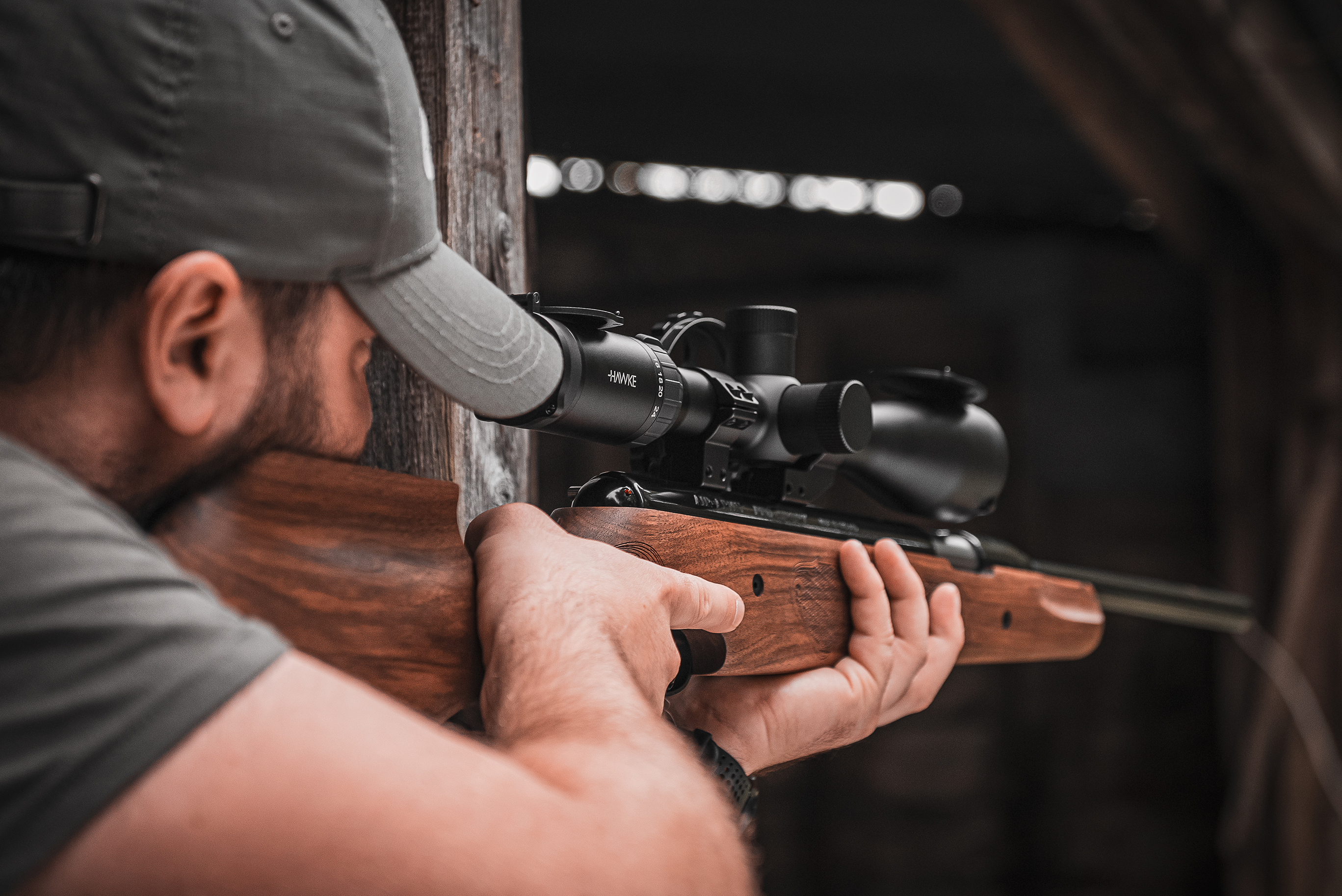
Public rights of way let the public legally cross private land. These include footpaths (pedestrians only), bridleways (pedestrians, cyclists, horse riders), restricted byways, and byways open to all traffic.
For air rifle users, the presence of these routes means potential users (walkers, riders, cyclists) could appear nearby — even on private land. You must always prioritise their safety, regardless of where you stand.
You can only shoot on your own land or on land where you have explicit permission from the landowner or person with sporting rights. You must have permission from the landowner or person with the sporting rights to shoot on any land that is not yours.
The Legal Framework Under UK Law
Rules stem from firearms legislation, highway and access laws, and wildlife protection laws — but they differ by region.
- England and Wales — Most sub-12 ft-lb air rifles need no certificate. No fixed minimum distance from non-vehicular footpaths/bridleways — you can shoot on/over them with landowner/shooting rights permission, provided it’s safe and no one is endangered. However, under Section 161 of the Highways Act 1980, discharging any firearm (including air rifles) within 50 feet (15 metres) of the centre of a highway with vehicular rights (e.g., roads, certain byways) is an offence if it injures, interrupts, or endangers a user. It is also an offence to fire an air rifle pellet beyond the land where you have permission to shoot, unless the occupier of the neighbouring land has also given you permission. Reckless discharge near any right of way risks Firearms Act offences (e.g., Section 19 — loaded in public without excuse) or public nuisance.
- Scotland — An Air Weapon Certificate is required for most air rifles. Access rights under the Land Reform (Scotland) Act 2003 are broad (responsible public access on most land), but shooting is not an included right — landowner permission is essential. No specific statutory distance like 50 ft for footpaths, but firing an air rifle pellet beyond permitted land is a criminal offence. Unexpected public appearances are a higher risk due to wider access; safe backstops and awareness are critical.
- Northern Ireland — All air rifles over very low power require a firearm certificate. Discharge on or within 18 metres of the centre of a public road is an offence under the Firearms (Northern Ireland) Order 2004. Safety rules for footpaths/bridleways mirror England/Wales in principle (no endangerment), but stricter overall licensing and road proximity apply.
Misuse and Criminal Liability
Reckless firing near a public route that risks someone’s life can lead to prosecution under firearms, highways, or general criminal law (e.g., endangerment, nuisance). Armed trespass (carrying a loaded air rifle on land without permission) is considered a serious criminal offence and can result in heavy penalties. The law makes no distinction between air rifles and more powerful guns, classifying them all as firearms, so any misuse can carry the same severe penalties. There are at least 38 different offences related to air rifle use, which can result in fines or imprisonment.
Public Footpaths on Private Land
A common misunderstanding is that the existence of a footpath turns the surrounding land into public property. In reality, the land usually remains private land.
However, the public has a legal right to pass along the route itself. This means walkers can legally be present even if the landowner does not otherwise allow public access. When using an air rifle on farmland or woodland that contains a right of way, you must take reasonable steps to ensure that firing pellets cannot endanger anyone using the path.
Understanding Armed Trespass
One legal concept that shooters should understand is armed trespass. Under the Firearms Act, entering land with a loaded weapon without permission can amount to armed trespass. This applies whether the weapon is a shotgun, rifle, or air gun. Carrying a loaded air rifle is considered carrying a loaded weapon, which can lead to prosecution for armed trespass.
For example, someone carrying a loaded air rifle while crossing land where they do not have permission could face legal consequences.
Staying Within the Law
The safest approach is to ensure you always have lawful authority to be on the land where you intend to shoot. In most cases, this means obtaining permission from the landowner or tenant.
Firearms Licence and Certificate
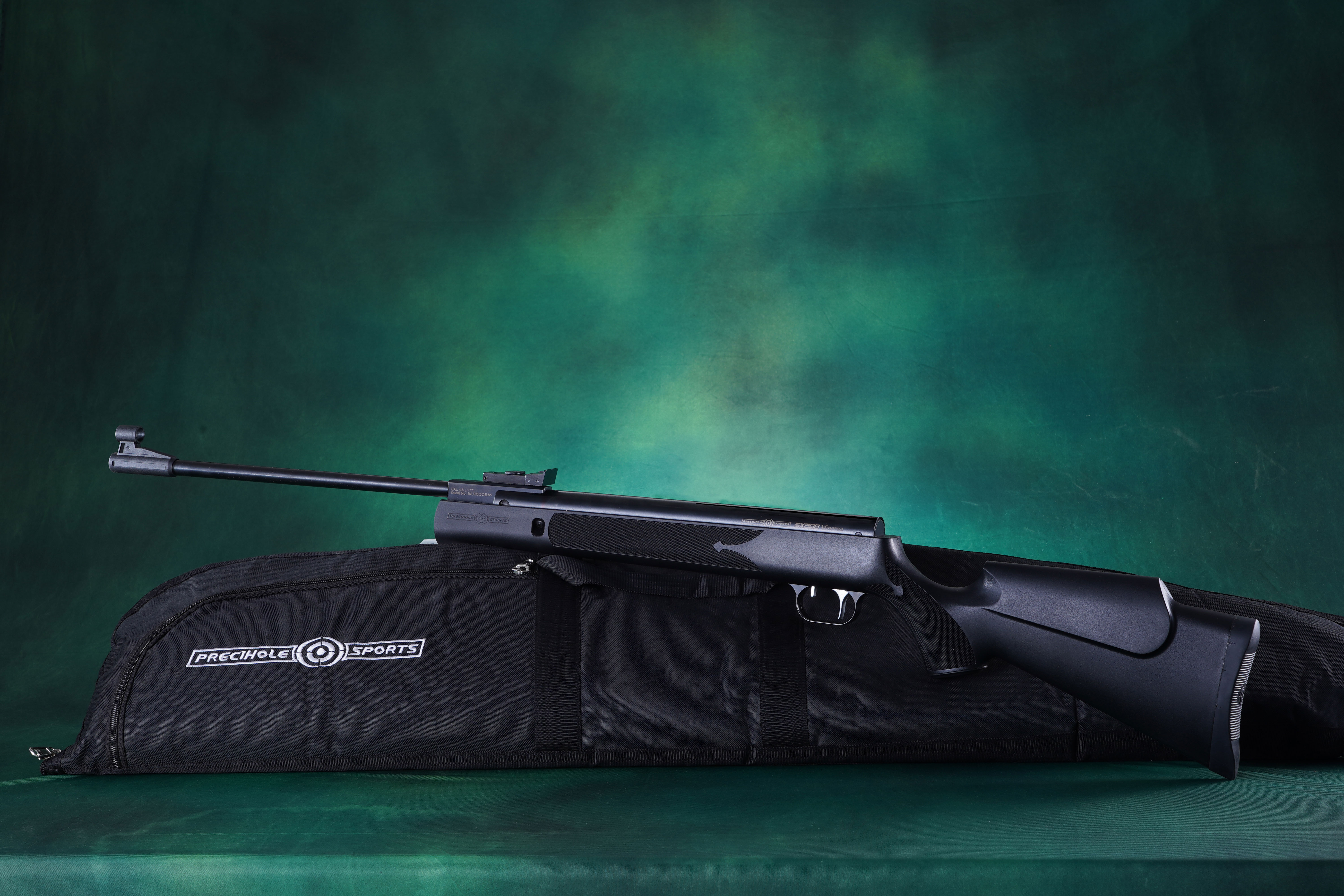
In the UK, the law requires a firearms licence for any air rifle with a muzzle energy above 12ft/lb. To apply for a firearms licence, you must be at least 18 years old, provide valid reasons for ownership, and pass background checks and reference requirements set by your local police force. Once granted, your licence comes with strict conditions, including secure storage and responsible use.
Safe Distances and Shooting Near Paths
No universal fixed distance for all paths across the UK. The test is always safety:
- Consider pellet travel (air rifles can carry 50+ yards), direction, ricochet risk, and sudden appearances.
- Use natural backstops (e.g., soft soil banks) and avoid hard surfaces (ricochets).
- Never shoot into obscured areas or where the background isn't clear.
Creating a Safe Backstop
One of the most important safety measures is ensuring that the pellet has a safe place to stop. A brick wall can serve as an effective backstop for target shooting, especially when shooting on your own premises.
Using Natural Backstops
An adequate soft soil bank is often the safest natural backstop because it absorbs the energy of the pellet and prevents it from travelling further.
When practising target shooting, shooters often position their targets against a hillside or earth bank for this reason.
Avoiding Hard Surfaces
Hard surfaces such as stone or metal should be avoided. In these situations pellets ricochet, which means the projectile can change direction unpredictably.
This risk is especially important near footpaths where a ricochet could place walkers at risk.
Visibility and Situational Awareness
Another important factor when shooting near rights of way is visibility.
If the target area includes long grass, bushes, or trees, it may be possible for someone to appear suddenly within range. For this reason shooters should never fire at partially obscured quarry or into areas where they cannot clearly see the background.
Keeping the muzzle pointing safely downrange and maintaining awareness of the surroundings is essential when using an air rifle in rural settings.
Pest Control Near Footpaths
Many rural shooters use an air rifle for legitimate pest control. Rabbits, rats, and certain birds can cause damage to crops or buildings.
You can shoot mammal pests such as rats and rabbits at any time with an air rifle, provided you have the landowner's permission.
Wildlife and Legal Protection
However, not all species can be taken legally. Many wild birds are protected under wildlife legislation.
Only certain pest bird species listed under general licences can be shot with air rifles, provided you have the landowner's permission and comply with the licence conditions. These licences specify which pest bird species can be controlled and under what circumstances, such as to protect public health, crops, or livestock.
Choosing Suitable Quarry
Anyone undertaking pest control should make sure the animal is a suitable quarry and that they are acting within the scope of the relevant general licences.
Ethical Shot Placement
When people shoot live quarry, humane shooting practices are essential.
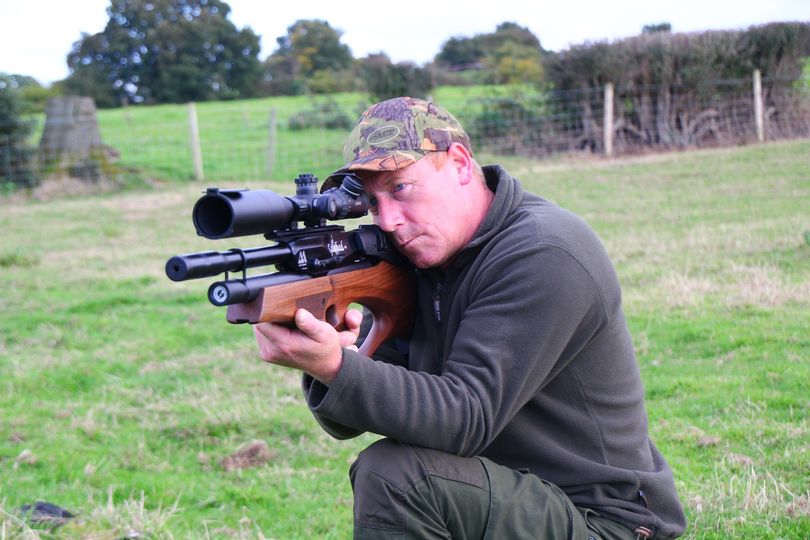
A clean side on head shot or a shot to the breast or body cavity is usually recommended depending on the species and situation. Head shots are considered the most effective and humane for many species, as they ensure a quick and ethical kill when executed accurately. These placements reduce suffering and increase the likelihood of a quick kill.
If the first shot results in wounded quarry, the shooter must be prepared to take an immediate second shot or otherwise ensure humane dispatch.
Training and Shooting Clubs
For those who want to improve their shooting and stalking skills, joining a gun club or shooting club is often a sensible step.
Many clubs operate dedicated ranges where shooters can practise safely without worrying about public rights of way. These locations may include organised shooting competition events or structured training sessions. A recognised shooting ground also provides a safe environment for both the novice and experienced shooter to develop their skills.
Age Restrictions and Young Shooters
The law includes clear age restrictions governing the use of air guns.
It is illegal to sell an air rifle or ammunition to anyone under 18. Individuals aged 14 to 17 can borrow and use an air rifle without supervision on private premises where they have permission. Individuals under 14 can use an air rifle only under supervision on private premises with the occupier's permission. Parents or guardians who buy an air rifle for someone under 14 must exercise control over it at all times, even at home or in the garden. Individuals aged 14-17 may use air weapons but generally require supervision by someone over 21, especially if under 14.
Children may only use an air rifle under supervision on private premises. A supervising adult must ensure the rifle is handled safely and that both the young person and those around them remain protected.
Air Guns and Storage
Safe storage is a fundamental part of responsible air gun ownership. Always keep your air gun locked away in a secure cabinet or container, out of reach of children and anyone not authorised to use it. Regular cleaning and maintenance, following the manufacturer’s instructions, will help keep your air gun in top condition and ensure it operates safely.
When transporting your air gun, use a securely fastened case or slip, and make sure the gun is unloaded and uncocked. If you need to carry your air gun in public—for example, when travelling to a shooting club or competition—be sure you have a reasonable excuse and always act in a safe and responsible manner. Following these best practices helps prevent accidents and ensures you remain compliant with UK law.
Transporting an Air Rifle Near Public Paths
It is common for rural shooters to walk across fields or along farm tracks while carrying their equipment. Under UK law, carrying an air gun in public requires a reasonable excuse. Examples include travelling to a farm where you have permission to shoot or transporting the rifle to a gun club.
You must be over the age of 18 to carry an air rifle in public, and your air gun must be placed inside a securely fastened case or slip when transporting it in public. It is critically important that your air gun is not loaded or cocked when transporting in public. Even a cleaning pellet left in the barrel may be considered as loaded, which has legal and safety implications.
The rifle should ideally be unloaded, and carrying pellets separately can further reduce risk when moving near public routes.
- Carry with reasonable excuse (e.g., to permitted land/club). Unloaded, in a case, pellets separate is safest near paths/public. Loaded in public without excuse is an offence.
Responsible Equipment Use
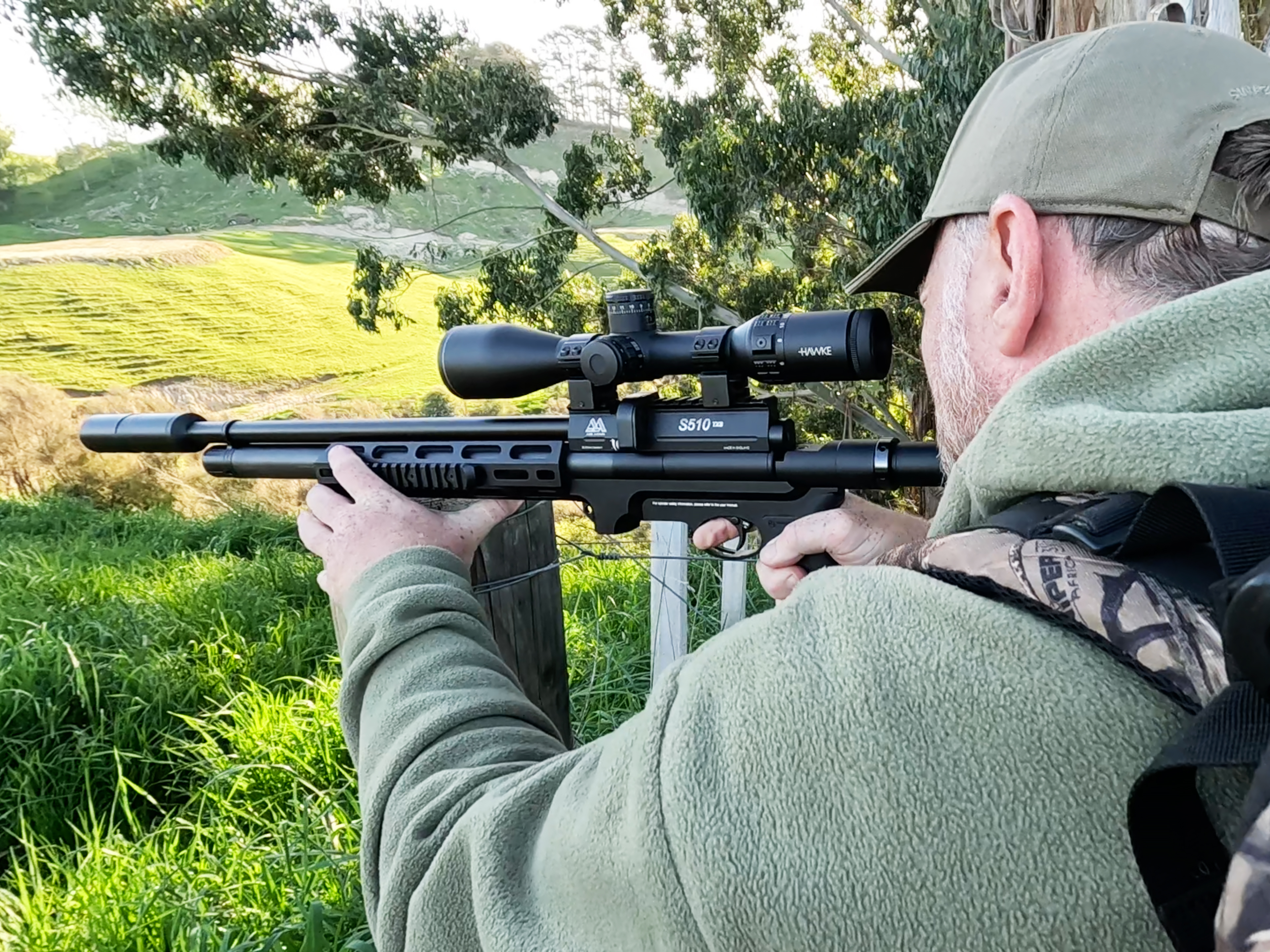
Maintaining equipment properly is another important part of responsible shooting. Many air rifles contain powerful springs, so extra care should be taken during maintenance to avoid injury.
Owners should follow the rifle manufacturer’s instructions and regularly inspect their equipment. Cleaning the actual barrel with the correct tools, including a proper barrel cleaning kit, helps maintain accuracy and safety.
Even routine items, such as a clean pellet, should only be used in safe environments where firing a rifle is appropriate.
Common Sense and Communication
In rural areas, it is often wise to communicate with nearby land users. Pause if users are near; coordinate with landowners/farmers.
If you know walkers regularly pass through a field, it may be sensible to pause shooting activities until the path is clear. Many experienced shooters also work with landowners and farm workers to coordinate activities safely.
Good communication ensures that shooting companions, land managers, and members of the public understand what is happening and can avoid unnecessary risk.
Final Thoughts on Shooting Near Rights of Way
Air rifle use in rural areas can be safe and lawful when responsible. Public routes add risks, so always assess the environment, ensure no pellets endanger anyone, and comply with your region's laws.
By prioritising safety, getting permission, and staying aware, shooters can enjoy the countryside while protecting the public. If in doubt, consult official guidance — rules can update.
For a broader explanation of where you can legally shoot, carry, and store an air rifle in the UK, see our full guide: Air Rifle Laws (UK): Where You Can Shoot, Carry, and Store (Plain English).