



Living in a flat or on a private housing estate does not automatically prevent someone from owning or using an airgun. However, shared living environments introduce additional legal and safety considerations that every owner must understand. Many air rifles and other air weapons are used safely in the UK every day, but the rules become more complicated when the space you occupy is shared with neighbours or the public.
The core legislation governing airgun use comes from the Firearms Act and related law covering firearms and air weapons. These regulations apply to the possession, transport, and use of an air gun, including whether it is legal to carry, shoot, or fire one in a particular location.
If you plan to use an airgun on private property, including communal gardens or shared estates, you generally need the owner's permission and must respect the boundaries of private property.
If you are new to the subject, our guide “Air Rifle Laws (UK): Where You Can Shoot, Carry, and Store” explains the wider legal framework that applies to air rifles across the UK. While a typical sporting rifle powered by compressed air may not require a firearms certificate in England, the owner still has a responsibility to ensure the airgun is used safely and lawfully.
This guide explains how airgun law in England applies when you live in flats, leasehold properties, or estates with shared gardens and pathways. It also explains the practical safety considerations involved when multiple residents share outdoor space, including how to handle ammunition, store your gun, and ensure the safety of neighbours and visitors.

Understanding Airgun Law in Shared Living Environments
England has strict rules governing firearms and air weapons, and these rules apply regardless of whether you live in a detached home, a flat, or a managed estate. An airgun may appear less powerful than other firearms, but the law still treats careless use seriously because an air pellet travelling at high speed can cause injury or property damage.
Many modern air rifles and air pistols operate on compressed air and fire small projectiles known as pellets. Even though these guns fall within the legal power limits, they can still be dangerous if used irresponsibly. That is why the law focuses heavily on safety, responsible possession, and ensuring that the user has a good reason or legitimate justification to carry or use the equipment.
The Firearms Act defines the circumstances in which a person may legally possess or carry an air gun in a public place. Anyone found carrying a gun without a reasonable excuse may be committing an offence, even if the airgun itself is legal.
Legal Power Limits and Licensing
One of the most important legal distinctions in the UK concerns muzzle energy and the legal power limits for airguns. Staying within these legal power limits is a legal requirement for airgun owners in England.
Standard Airgun Power Limits
In England, most air rifles and air pistol models fall under licensing thresholds. For example, a typical sporting rifle must not exceed 12 foot-pounds of muzzle energy, often written as 12 ft lb. A typical air pistol must remain below 6 foot-pounds.
If an air rifle exceeds this limit, it becomes one of the prohibited weapons under UK firearms law, meaning the owner must obtain a firearms certificate. Possessing such a gun without the correct licence would be a criminal offence.
Licensing Requirements
A high-power air rifle exceeding the ft lb limit requires a firearms licence issued by the police. This licence confirms that the owner has suitable security, safe storage, and a legitimate reason to possess the rifle.
Scotland operates a separate system where most air weapons require an air weapons certificate, which functions similarly to a firearms certificate. These rules highlight how the law governing firearms can vary across the UK, so owners should always confirm the correct requirements before a purchase.
Flats and Leasehold Properties
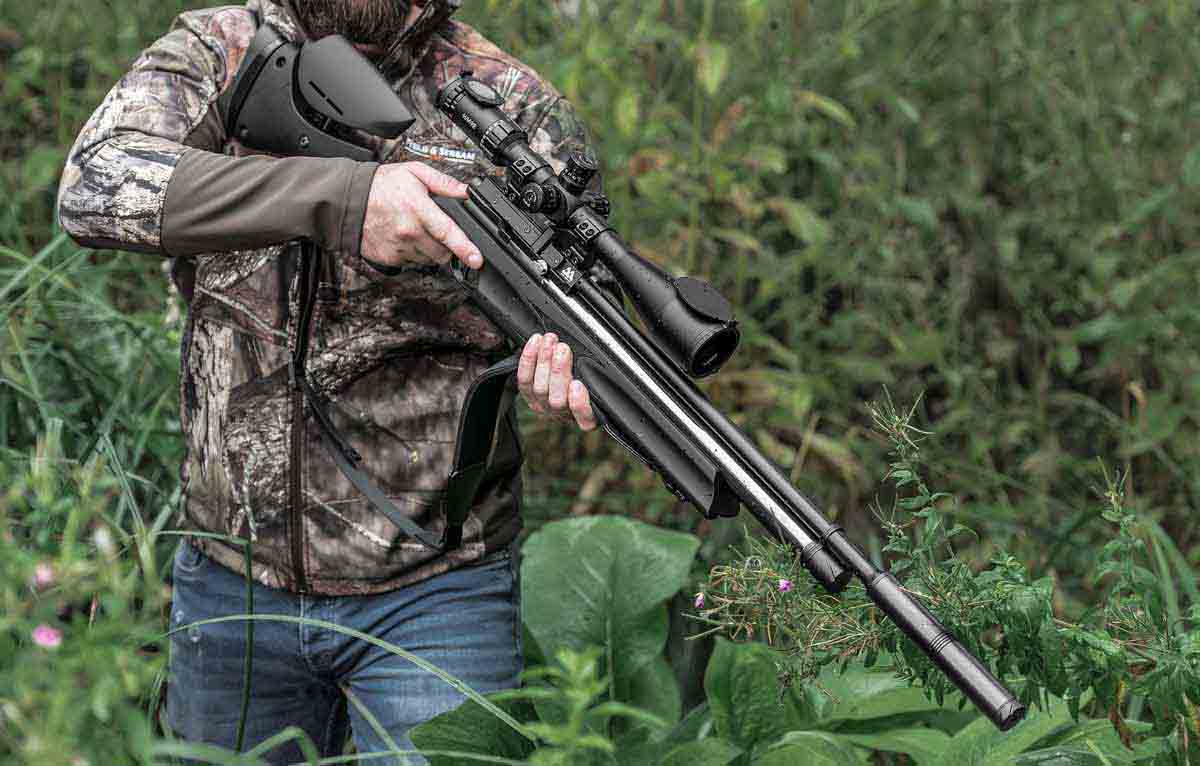
People living in flats often assume they cannot own an airgun, but ownership itself is not necessarily illegal. The important factor is how and where the air gun is used. Flats are considered private premises, so the legal use of airguns in flats is subject to the same rules as other private properties.
Ownership in a Flat
A person living in a flat may legally possess an air rifle or air pistol if it complies with UK law and remains within the legal power limits. However, the owner must still follow safety guidelines and ensure the equipment is stored securely.
Proper security prevents unauthorised access, particularly by visitors or a young person living in the property. Owners should always take precautions to protect their guns, pellets, and other ammunition.
Leasehold Restrictions
Many flats operate under leasehold agreements that include rules about weapons, noise, or activities in shared spaces. Even if an airgun is legal under firearms law, the lease may restrict its use within the building or communal grounds.
For this reason, it is wise to review lease documents carefully before attempting to shoot or conduct target shooting anywhere near the building.
Communal Gardens and Shared Outdoor Areas
Communal gardens create additional complications because the land is shared between multiple residents. Shooting must remain within the boundaries of your own garden close, and firing beyond these boundaries or into public areas is an offence.
Why Shared Spaces Are Risky
When you shoot an air rifle, you are firing projectiles that can travel significant distances. Even low-powered air rifles generate enough muzzle energy to cause injury if pellets strike a person.
Because of this, using an airgun in a communal garden is rarely appropriate. The presence of neighbours, children, and pets makes it difficult to guarantee safety.
Ricochet Risks
Another issue is that pellets ricochet after hitting hard surfaces, such as stone walls or paving. A ricochet could send projectiles in unpredictable directions, increasing the risk of accidents.
Responsible airgun owners must always consider these hazards before deciding whether it is safe to fire their rifle.

Private Estates and Managed Developments
Housing estates sometimes include shared green areas, paths, or woodland. These locations may look suitable for target shooting, but legal and safety considerations still apply.
Ownership and Sporting Rights
Some estates include land where sporting rights belong to a management company or landowner. These rights determine whether activities such as hunting, pest control, or shooting are permitted.
If you want to shoot on estate land, you must first confirm that you have the owner's permission.
Potential Legal Risks
Using an air rifle in estate land without permission could lead to armed trespass, which is considered a serious criminal offence under the Firearms Act.
Police treat such incidents seriously because a gun being used in shared land can alarm residents and may create a perceived risk to public health and safety.
Private Estates and Managed Developments
Housing estates sometimes include shared green areas, paths, or woodland. These locations may look suitable for target shooting, but legal and safety considerations still apply.
Ownership and Sporting Rights
Some estates include land where sporting rights belong to a management company or landowner. These rights determine whether activities such as hunting, pest control, or shooting are permitted.
If you want to shoot on estate land, you must first confirm that you have the owner's permission.
Potential Legal Risks
Using an air rifle in estate land without permission could lead to armed trespass, which is considered a serious criminal offence under the Firearms Act.
Police treat such incidents seriously because a gun being used in shared land can alarm residents and may create a perceived risk to public health and safety.
Carrying Airguns in Shared Areas
Residents sometimes need to carry their air rifle through shared corridors or car parks when travelling to a club or private land.
Transport and Reasonable Excuse
UK law allows a person to carry an air gun in a public place if they have a reasonable excuse. Examples include travelling to a shooting range or transporting the rifle for repair. The gun should always be unloaded and ideally kept in a case to prevent concern from neighbours or passers-by.
Avoiding Alarm
Even if the law allows transport, it is sensible to minimise alarm. Carrying a rifle openly around a housing estate could cause residents to contact the police, particularly if they believe a firearm is present.
Storage and Security in Flats
Safe storage is essential for anyone who owns an airgun, particularly in buildings where multiple people have access to communal spaces.
Preventing Unauthorised Access
The owner must ensure that no unauthorised person can gain access to the rifle, ammunition, or pellets. Basic precautions include storing the gun in a locked cabinet or cupboard.
Secure storage protects both the owner and others in the building.
Children and Young People
If a young person lives in the property, the owner must ensure appropriate supervision, and the supervising adult must exercise control over the use of the air rifle by the young person. The law includes strict rules relating to age, particularly when air rifles or an air pistol are present in the home.
- Children under certain years of age must never have unsupervised access to an airgun.
Young People and Supervision
UK law includes detailed rules covering the use of air rifles by minors.
Age and Supervision Rules
A young person under the age of fourteen must use an air gun only under adult supervision. The supervising adult must maintain full control of the situation and ensure the gun is used safely.
Both the supervising adult and both the young person using the equipment must follow strict safety guidelines.
Training and Responsibility
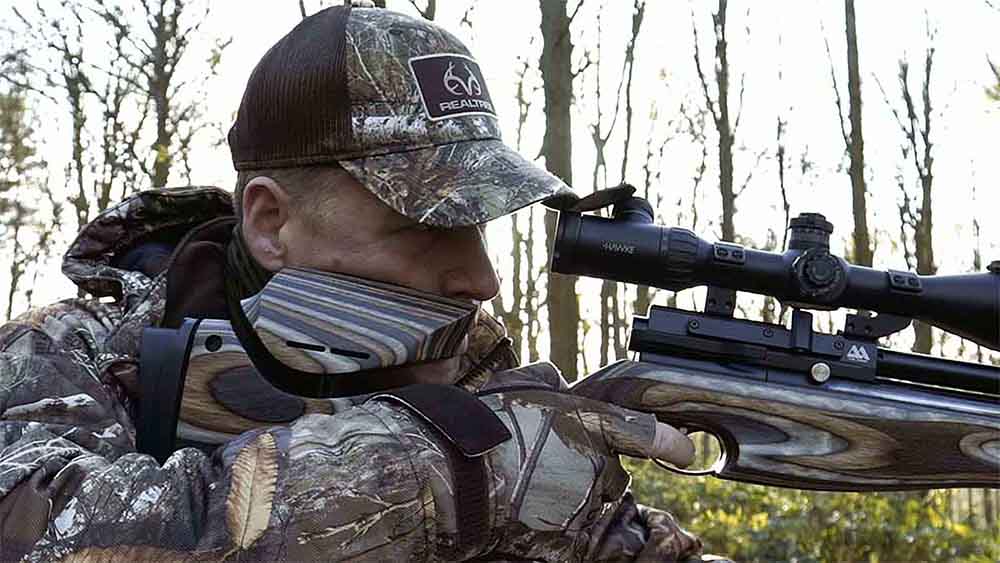
Introducing a young person to target shooting can be a positive experience if done responsibly. Organisations associated with the British Association for shooting sports encourage proper training and safety awareness.
Using Airguns for Pest Control in Shared Areas
Some people consider using an air rifle for pest control in communal areas, particularly when dealing with rodents or birds.
It is important to ensure that any pest control activities are carried out responsibly, with respect for wildlife conservation and sustainable practices.
Wildlife Law and General Licences
Many species of birds and other wildlife are protected under UK law, and killing them without authority can be a criminal offence.
In certain circumstances, general licences may allow action against specific pest species in order to protect public health or prevent damage to property.
Suitability of Shared Land
Even when pest control is legal, communal land is rarely a safe location to shoot. The risk to neighbours and passers-by makes these environments unsuitable for most airgun activity.
Safety Guidelines for Shooting
Anyone who intends to shoot an air rifle should follow basic safety guidelines.
Safe Direction and Backstops
Always keep the rifle pointing in a safe direction, and ensure that a solid backstop is present behind the target. Never fire a gun unless you are certain the area behind the target is safe.
Handling and Loading
An airgun should never be carried loaded unless you are actively preparing to shoot. The trigger must only be engaged when the rifle is pointing safely at the intended target.
Legal Consequences of Misuse
Improper use of an airgun can result in severe consequences under UK law.
It is illegal to discharge an airgun within 50 feet of the centre of a highway if it results in injury or endangerment to a highway user.
Criminal Offences
Discharging an air rifle recklessly or causing injury may be treated as a crime involving firearms. In some situations, it may even lead to charges relating to the dangerous use of firearms. Serious misuse can lead to heavy penalties, including fines, confiscation of equipment, and criminal records.
Responsibility of the Owner
The law ultimately places responsibility on the person who owns or controls the gun. Even accidental incidents can become a legal offence if the owner fails to follow proper safety practices.
Final Thoughts on Airguns and Shared Spaces
Owning an airgun in a flat or estate environment is not automatically illegal, but it does require careful thought and responsible behaviour. The law governing air rifles, air pistols, and other air weapons focuses heavily on safety, responsible possession, and public protection.
In most shared environments, using an air rifle for target shooting is unlikely to be safe or appropriate. Transporting the gun to a shooting club or authorised land is usually the better option. By understanding UK firearms law, following safety guidelines, and respecting the concerns of neighbours, airgun owners can ensure their equipment is used safely and legally.